Why Margherita Is a Strategic Choice for Creative and Professional Projects
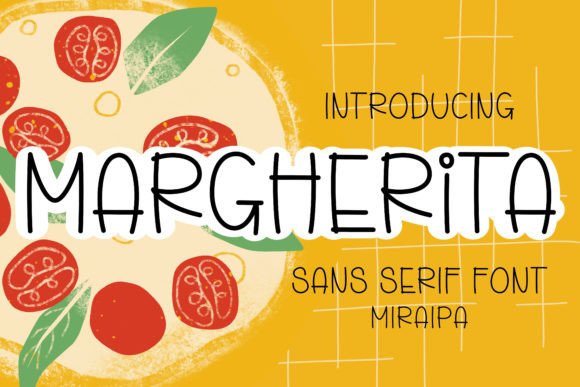
Margherita is more than just a font—it's a design element that can subtly influence perception, engagement, and the overall tone of your work. As a cute and friendly sans-serif font, it brings a sense of approachability and charm to any project. Its whimsical and quirky nature makes it particularly well-suited for environments where warmth and personality are valued. Whether you're crafting marketing materials, designing educational content, or developing branding assets, Margherita offers a unique opportunity to enhance your visual communication strategy.
The Strategic Value of Margherita in Design and Communication
Fonts play a critical role in shaping how audiences perceive your message. Margherita, with its soft curves and playful character, can help create a welcoming atmosphere that resonates with a wide range of users. This makes it especially useful for projects targeting younger demographics, creative industries, or businesses aiming to convey a friendly and innovative image.
Strategically, using Margherita can support your positioning by reinforcing brand personality. It aligns well with brands that prioritize user experience and emotional connection. For example, a children’s book publisher might use Margherita to evoke a sense of innocence and joy, while a boutique coffee shop could leverage it to build a community-focused identity.
When to Use Margherita: Key Scenarios
- Creative Projects: Margherita shines in DIY crafts, personal blogs, and artistic presentations where a touch of whimsy enhances the visual appeal.
- Marketing Materials: Brochures, social media posts, and promotional emails benefit from Margherita’s ability to capture attention without overwhelming the reader.
- Education and Learning Tools: Educational platforms or learning apps can use Margherita to make content feel more engaging and less formal.
- Brand Identity: Startups or small businesses looking to establish a friendly and approachable brand image can integrate Margherita into logos, packaging, and website design.
However, it’s important to consider the context before relying on Margherita. Overuse or misuse can dilute its impact. For instance, in professional reports or legal documents, Margherita may not be appropriate due to its informal aesthetic. Always align the font choice with the purpose and audience of your content.
How to Approach Using Margherita Intentionally
Integrating Margherita into your workflow requires thoughtful planning. Begin by defining the goal of your project—whether it's to inform, entertain, persuade, or inspire. Once you have clarity on your objective, assess whether Margherita supports that goal effectively.
Consider the following steps when incorporating Margherita:
- Define Your Audience: Understand who will be interacting with your content. Margherita works best with audiences that appreciate creativity and a relaxed tone.
- Assess Context: Evaluate the environment where Margherita will be used. Does it fit with the overall design language of your project?
- Test Readability: While Margherita is visually appealing, ensure that it remains legible, especially in smaller sizes or low-contrast settings.
- Balance with Other Fonts: Pair Margherita with more traditional fonts for headings or body text to maintain a balance between charm and professionalism.
By taking these steps, you can avoid common pitfalls such as overusing the font or using it inappropriately. A strategic approach ensures that Margherita enhances rather than distracts from your message.
Practical Examples of Margherita in Action
Let’s explore some real-world examples of how Margherita can be used strategically:
- DIY Crafts: When creating invitations or labels for handmade products, Margherita adds a personal and charming touch that reflects the creator’s personality.
- Blog Posts: Bloggers focusing on lifestyle, fashion, or wellness can use Margherita in headlines or callout boxes to draw readers in with a friendly tone.
- Product Packaging: Small businesses selling artisanal goods can use Margherita on packaging to create an inviting and memorable brand experience.
- Interactive Content: In online courses or tutorials, Margherita can be used in buttons or navigation elements to encourage user interaction through a warm and encouraging design.
These examples demonstrate how Margherita can be tailored to different use cases while maintaining a consistent and intentional design strategy.
Potential Risks of Using Margherita Without Clear Strategy
While Margherita is versatile and appealing, it’s not a one-size-fits-all solution. Misusing it can lead to unintended consequences. For instance, if used in a corporate setting without alignment to the brand’s voice, it may appear unprofessional or inconsistent with expectations.
Another risk is over-reliance on Margherita without considering other design elements. If every part of your design uses Margherita, it may become visually cluttered and lose its impact. Always evaluate how it complements other components like color schemes, images, and layout structures.
Additionally, there's a risk of misalignment with your target audience. If your audience prefers a more formal or minimalist aesthetic, Margherita may not be the best choice. Conducting research or testing different font options can help mitigate this risk.
Decision-Making Guidance for Integrating Margherita
To make informed decisions about using Margherita, consider the following factors:
- Brand Personality: Does Margherita reflect the values and tone of your brand? If your brand is innovative and youthful, it likely fits well.
- User Experience: How does Margherita affect readability and usability? Ensure it doesn’t compromise the clarity of your message.
- Consistency: Will Margherita be used consistently across all platforms and materials? Consistency builds recognition and trust.
- Competitive Landscape: How do competitors use similar fonts? Understanding industry norms can help position your brand effectively.
These considerations allow you to make data-driven decisions that align with your long-term goals and brand strategy.
Conclusion: Leveraging Margherita for Long-Term Impact
Margherita is a powerful tool when used with intention and strategy. Its charm and versatility make it an excellent choice for a variety of creative and professional applications. However, success depends on thoughtful integration that aligns with your goals, audience, and overall design vision.
By evaluating the right scenarios, testing its effectiveness, and balancing it with other design elements, you can harness the full potential of Margherita. Ultimately, the key to leveraging Margherita successfully lies in understanding its strengths and limitations—and using them wisely to achieve better results over time.